
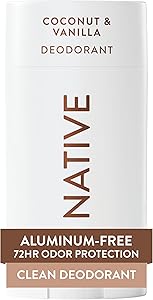
TL;DR: Natural aluminum-free deodorant uses mineral salts, baking soda, or plant-based odor neutralizers instead of aluminum compounds that block sweat glands. It won’t stop sweating — that’s normal and healthy — but quality formulas control odor effectively for most people through an adjustment period of 1–3 weeks.
Best Natural Deodorant Stick Aluminum-Free: What Works and What to Expect
Conventional antiperspirants work by plugging sweat glands with aluminum salts — effective at dryness, but a mechanism that many people are increasingly uncomfortable with for daily use on skin adjacent to lymph nodes. The evidence on health risk from aluminum in antiperspirants remains inconclusive, but consumer preference has shifted decisively toward cleaner formulas regardless. The bigger practical question is whether natural aluminum-free deodorant actually works — and the honest answer is: yes, for most people, with the right formula and realistic expectations.
The key distinction is deodorant vs. antiperspirant. Deodorant neutralizes odor; antiperspirant reduces sweat. Natural deodorants address odor through antibacterial action (preventing the bacterial breakdown of sweat that creates smell), pH adjustment (baking soda, magnesium), or odor absorption (arrowroot, activated charcoal). You will still sweat — that’s physiologically normal and thermoregulatory — but properly formulated natural deodorant keeps odor controlled through normal activity levels for most users.
The zero-waste angle compounds the personal care benefit. Conventional deodorant sticks ship in mixed-material plastic tubes that are nearly impossible to recycle. Many natural deodorant brands offer plastic-free packaging — cardboard tubes, glass jars, compostable wrapping — making the swap a meaningful personal care packaging reduction alongside the formula change.
Top Natural Aluminum-Free Deodorant Sticks
Want more options? Browse aluminum-free natural deodorant sticks on Amazon — filter by format (stick, cream, balm), scent profile, and packaging type.
Natural Deodorant Formulas Compared: What’s Actually in Them
The active odor-control approach varies significantly between natural deodorant formulas. Understanding the mechanism helps set expectations and find the right match for your chemistry.
| Formula Type | Active Mechanism | Effectiveness | Skin Sensitivity | Packaging Options | Best For |
|---|---|---|---|---|---|
| Baking Soda-Based | pH neutralization + antibacterial | High | Can irritate sensitive skin | Cardboard, plastic-free common | Most users, normal skin |
| Magnesium-Based | pH adjustment, gentler than baking soda | Moderate-High | Excellent | Varies | Sensitive skin, baking soda reactors |
| Mineral Salt (Alum) | Antimicrobial surface barrier | Moderate | Excellent | Crystal/stone (no packaging needed) | Light sweaters, minimalists |
| Activated Charcoal | Odor adsorption | Moderate | Good | Often plastic-free | Heavy sweaters wanting absorption |
| Enzyme-Based | Breaks down odor compounds | Moderate-High | Excellent | Varies | Sensitive skin, fragrance-free preference |
The Adjustment Period: What’s Normal
Weeks 1–2 can be worse before they get better. After stopping aluminum antiperspirant, sweat glands that were partially blocked begin functioning normally again. Some users experience increased sweating and odor during this period — not because natural deodorant isn’t working, but because the body is recalibrating. This adjustment period runs 1–3 weeks for most people and typically resolves completely.
Application technique matters more than with conventional products. Natural deodorant sticks apply most effectively to clean, dry skin — ideally just after a shower. Let the formula dry for 30–60 seconds before dressing. Applying to damp skin or immediately after shaving can cause irritation with baking soda formulas specifically.
Formula matching is often trial and error. Skin chemistry varies enough that a formula working perfectly for one person may underperform for another. If your first natural deodorant doesn’t meet expectations after 4 weeks, try a different formula type before concluding that natural deodorant doesn’t work for you. The switch from baking soda to magnesium-based formula resolves irritation issues for a significant subset of users.
High-activity days may require reapplication. Natural deodorant controls odor but doesn’t reduce sweat volume. On gym days or in hot weather, a midday reapplication is a practical expectation — the same way you’d reapply sunscreen. Carrying a small travel-size stick handles this without reverting to conventional products for active days.
Natural Deodorant and the Plastic-Free Bathroom
The packaging shift matters as much as the formula for zero-waste households. A conventional plastic deodorant stick generates one non-recyclable mixed-material tube roughly every 6–8 weeks per person — 6–8 tubes per person per year, mostly going directly to landfill. Cardboard-packaged or glass-jar natural deodorants eliminate that stream entirely.
For a fully plastic-reduced bathroom, natural deodorant pairs with bamboo toilet paper in paper packaging and refillable hand sanitizer to cover the highest-volume personal care packaging items. If you’re also looking at shampoo packaging, our guide to eco-friendly shampoo dispensers covers the hair care piece of the bathroom plastic reduction puzzle.
Natural Deodorant Stick FAQ
Does aluminum-free deodorant actually work for heavy sweaters?
It depends on your definition of “work.” If you need to stay dry in a business meeting or formal setting, natural deodorant may not be sufficient — it doesn’t reduce sweat volume. If your concern is primarily odor, high-efficacy natural formulas (baking soda or enzyme-based) work well for most heavy sweaters once past the adjustment period. For athletic use, reapplication is a practical expectation rather than a product failure.
Why does natural deodorant sometimes cause armpit rashes?
Baking soda (sodium bicarbonate) is alkaline, and repeated application can raise skin pH enough to cause contact dermatitis in sensitive individuals — red, itchy patches in the armpit. This is not an allergic reaction; it’s a pH response. Switching to a baking soda-free formula (magnesium hydroxide, enzyme-based, or mineral crystal) typically resolves it completely. Some users tolerate baking soda formulas long-term; others need to avoid it entirely. Starting with a magnesium-based formula if you have sensitive skin avoids the issue from the start.
Is aluminum in antiperspirant actually harmful?
Current scientific consensus is that the evidence does not establish a causal link between aluminum-containing antiperspirants and breast cancer or Alzheimer’s disease. The studies suggesting a link have significant methodological limitations and have not been replicated in large-scale controlled research. That said, the precautionary principle drives many people’s preference for avoiding aluminum compounds on skin used daily for decades — a reasonable personal choice independent of the unresolved science.
How long does a natural deodorant stick last compared to conventional?
Most natural deodorant sticks last 4–8 weeks with daily use — comparable to conventional antiperspirant sticks. Cream and balm formats in jars typically last longer per ounce because application is more controlled. Mineral crystal deodorants (the solid salt block type) last 6–12 months with daily use and generate essentially zero packaging waste. Per-application cost varies widely; budget $0.15–$0.40 per application for quality natural sticks, similar to mid-range conventional brands.
Can natural deodorant be used immediately after shaving?
Not recommended with baking soda formulas — freshly shaved skin has micro-abrasions that dramatically increase absorption and can cause significant irritation. Wait at least 24 hours after shaving before applying baking soda deodorant. Magnesium-based and mineral crystal formulas are considerably gentler post-shave, though even these benefit from a brief wait. Applying after showering rather than immediately post-shave is the simplest rule to follow.
More Zero-Waste Swaps
Reducing plastic in your personal care routine? These picks complement a natural deodorant switch:


