
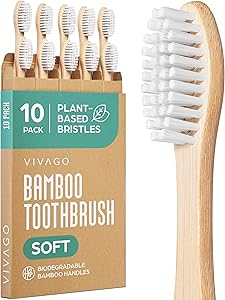
TL;DR: A bamboo dish brush replaces a plastic-handled scrubber with a plant-based tool that handles daily dishwashing — pots, pans, plates — without shedding microplastics into your rinse water or landfilling a non-recyclable plastic handle every few months.
Best Bamboo Dish Brush for Dishes, Pots, and Pans
The average household replaces its dish scrubber or brush every 4–8 weeks. Over a decade, that’s 60–120 plastic-handled brushes heading to landfill — each one non-recyclable due to the mix of materials (polypropylene handle, nylon bristles, metal wire). A bamboo dish brush is the friction-free swap: same scrubbing function, same replacement schedule if needed, but with a handle grown in 3–5 years rather than manufactured from petroleum. The bristles matter too — plant-fiber (agave or sisal) options are fully compostable, while nylon bristles on a bamboo handle reduce plastic but don’t eliminate it. Knowing the distinction helps you pick the right brush for your actual zero-waste goals.
Beyond landfill math, the microplastic case for switching is compelling. Every scrub with a synthetic nylon brush against ceramic or cast iron releases micro-bristle fragments into the rinse water that flow to waterways. Plant-fiber bristles don’t shed microplastics — they shed organic fiber that biodegrades. For anyone already using a water filter, stainless water bottle, or natural cleaning products, a bamboo dish brush closes a gap in the plastic-free kitchen that’s easy to overlook.
Top Bamboo Dish Brush Pick
Want more options? Browse bamboo dish brushes on Amazon — filter by bristle type (plant fiber vs. nylon), handle length, and replacement head availability.
Bamboo Dish Brush vs. Plastic Scrubber: Actual Differences
Both clean dishes. The differences are in materials, longevity, and end-of-life impact — not scrubbing performance.
| Feature | Plastic Dish Brush | Bamboo Dish Brush (Plant Fiber) | Why It Matters |
|---|---|---|---|
| Handle Material | Polypropylene (petroleum-based) | Moso bamboo (fast-growing grass) | Bamboo handle is compostable at end of life |
| Bristle Material | Nylon (synthetic) | Agave, sisal, or tampico fiber | Plant bristles compost; nylon sheds microplastics |
| Microplastic Risk | High — nylon sheds during scrubbing | None with plant-fiber bristles | Microplastics accumulate in waterways and food chain |
| Scrubbing Power | Moderate to firm | Moderate (sufficient for most dishes) | Cast iron may prefer a chain scrubber for heavy residue |
| Drying / Mold Risk | Low if kept dry | Moderate — bamboo needs airflow | Store upright or hanging, not flat in a wet sink |
| Replacement Head | Rare — whole brush discarded | Often available (head-only swap) | Reduces waste further with refillable handle system |
| End of Life | Landfill only | Compostable (handle + plant bristles) | Closes the loop on a daily-use kitchen item |
How to Choose the Right Bamboo Brush for Your Kitchen
Bristle type determines compostability. The bamboo handle is always compostable. The bristles vary: agave, sisal, and tampico fiber bristles are 100% plant-based and home-compostable; some bamboo brushes use nylon bristles on a bamboo handle, which reduces plastic but doesn’t eliminate it. If full composability is the goal, confirm bristle material in the product description before buying — “bamboo brush” doesn’t guarantee plant-fiber bristles.
Handle length matters for pots. Standard dish brushes work well for plates, glasses, and bowls. For deep pots and tall water bottles, look for a brush with a handle of at least 9–10 inches. Some bamboo brush sets include both a short brush and a bottle brush for exactly this combination — a useful starting kit if you’re switching multiple plastic brushes at once.
Replacement head availability extends the value. The best bamboo brush systems sell replacement heads separately — you keep the handle indefinitely and swap only the bristle head when it wears out, roughly every 4–6 weeks for daily use. This cuts material use compared to replacing the whole brush and costs less per replacement than buying a new full brush.
Drying practice extends brush life significantly. Bamboo degrades when left wet. Storing a bamboo dish brush lying flat in a wet sink shortens its life to weeks; standing it upright or hanging it to dry after each use extends it to months. This applies whether the bristles are plant-fiber or nylon — the handle longevity depends on keeping it dry.
Bamboo Dish Brush in a Plastic-Free Kitchen Routine
The kitchen is the highest-turnover room for small plastic disposables: dish brushes, sponges, scrub pads, food wrap, bags, and produce packaging cycle through faster than any other room. A bamboo dish brush is one of several low-effort swaps that collectively make the kitchen substantially lower-plastic without changing how you cook or clean.
It pairs naturally with replacing plastic sponges (beeswax-coated cotton cloths or natural loofah pads), switching to dish soap bars or concentrated eco soap, and using organic dish towels instead of paper towels. Our guide to refillable cleaning concentrate tablets covers the dish soap swap in detail, and our organic cotton dish towel guide addresses the paper towel habit. If you’re also replacing food storage plastic, see our glass food storage container guide for the pantry.
Bamboo Dish Brush FAQ
Does a bamboo dish brush clean as well as a plastic brush?
For everyday dishes, yes. Agave and sisal bristles provide firm scrubbing comparable to medium-stiffness nylon bristles — adequate for plates, bowls, glasses, and light residue on pots. For heavily burned-on food or cast iron seasoning maintenance, a chain scrubber or stainless steel scrub pad handles the job better than any bristle brush, bamboo or plastic. Use the bamboo brush for daily dishwashing and keep a specialty scrubber for the occasional heavy cleaning task.
How long does a bamboo dish brush last?
With proper drying between uses, a bamboo handle lasts 6–12 months or longer. Bristle heads wear faster — plant-fiber bristles typically need replacement every 4–8 weeks with daily use, similar to conventional plastic brush replacement frequency. The difference is that with a refillable handle system, you’re only replacing the bristle component rather than the entire brush, reducing material use by 60–70% per replacement cycle.
Can I put a bamboo dish brush in the dishwasher?
No. Dishwasher heat and prolonged water exposure will warp and crack the bamboo handle and accelerate bristle breakdown. Bamboo dish brushes are for hand-washing only — rinse them after use, shake out excess water, and stand or hang them in a dry position. The hand-wash-only requirement is a minor convenience trade-off; most people using a bamboo dish brush are already hand-washing dishes or reserving the brush for items that don’t go in the dishwasher.
Are bamboo dish brushes actually compostable?
The bamboo handle is home-compostable — break or snap it into smaller pieces to speed decomposition. Plant-fiber bristles (agave, sisal, tampico) are also home-compostable. If the bristles are nylon, remove them before composting the handle — pliers work well for pulling out the bristle tufts. Nylon bristles go in general waste. Fully plant-fiber brush systems allow the entire brush to go in the compost bin at end of life, which is the cleanest disposal route available for a dishwashing tool.
What’s the difference between sisal, agave, and tampico bristles?
All three are plant-fiber bristle materials derived from agave family plants. Tampico fiber comes from the agave lechuguilla plant and is soft enough for delicate items while still scrubbing effectively. Sisal comes from agave sisalana and is firmer — good for general dishwashing. Agave fiber (often listed generically) can come from multiple species. All three are natural, biodegradable, and compostable. The practical scrubbing difference between them is minor; bristle density and the manufacturing process matter more than specific plant species for performance.
More Zero-Waste Kitchen Swaps
Replacing plastic tools and disposables in the kitchen one item at a time? These picks fit the same low-waste kitchen routine:


