
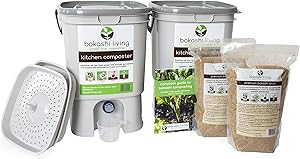
TL;DR: Bokashi is an anaerobic fermentation method that breaks down ALL food scraps — including meat, dairy, and cooked food — in 2–4 weeks using inoculated bran. Faster than traditional composting, odor-contained, and apartment-friendly. Best for households producing mixed food waste who can’t maintain an outdoor bin.
Bokashi Composting for Beginners: The Complete Setup Guide (2026)
Most composting guides tell you to avoid meat, dairy, and oily foods. Bokashi ignores all of that. Developed from Japanese farming traditions and formalized by Dr. Teruo Higa in the 1980s, bokashi uses a specific consortium of microorganisms — primarily lactic acid bacteria — to ferment virtually any food waste under anaerobic conditions. The result isn’t finished compost yet; it’s a pre-compost that finishes in soil in under two weeks.
If you’ve tried cold composting and gotten a sludgy, smelly mess, or if you live in an apartment without outdoor space, bokashi is worth understanding properly. This guide covers the actual mechanics, common beginner mistakes, and what products genuinely help versus what’s marketing fluff.
How Bokashi Actually Works
The key is the EM (Effective Microorganisms) bran — wheat bran or sawdust inoculated with lactobacillus, yeasts, and phototrophic bacteria. When you layer food scraps with this bran in an airtight bucket, the microbes rapidly acidify the contents. That acid environment halts putrefaction (the process that causes rot odors) while preserving nutrients.
After 2–4 weeks of fermentation the scraps look largely unchanged — they haven’t decomposed. What’s happened is fermentation. Buried in soil or added to a compost pile, the acidic pre-compost then breaks down completely within 1–2 weeks as soil microbes take over. Net result: full nutrient cycle in roughly 4–6 weeks total, versus 3–6 months for cold composting.
What You Can (and Can’t) Bokashi
| CAN ferment | AVOID |
|---|---|
| All fruit & vegetables (raw or cooked) | Liquids (drain first) |
| Meat, fish, bones | Moldy food (adds competing fungi) |
| Dairy, eggs, cheese | Large bones (won’t ferment fully) |
| Bread, pasta, rice | Excessive cooking oils |
| Coffee grounds, tea bags | Non-food items |
Beginner Setup: Step by Step
Step 1: Choose Your Container
You need two things: an airtight container with a spigot (for draining the “bokashi tea” liquid byproduct) and a tight-fitting lid. Commercial bokashi buckets are designed for this, but any food-grade bucket with a gasket lid and added spigot works. Minimum useful size is 5L; most households do well with 8–12L.
Two-bucket systems are practical: while one is fermenting (sealed, sitting aside), you’re filling the second. This prevents the constant open/close cycle that disrupts anaerobic conditions.
Step 2: Layer Correctly
Each time you add scraps: (1) chop larger pieces — smaller surface area speeds fermentation, (2) drain excess moisture, (3) add a 1–2 tablespoon layer of EM bran over the scraps, (4) press down to eliminate air pockets, (5) replace the lid immediately and seal tight.
The pressing step is critical and often skipped by beginners. Air pockets let in oxygen, which allows mold to compete with the beneficial bacteria. Mold = white furry growth = normal. Green or black fuzzy growth = contamination, restart required.
Step 3: Drain the Tea
Bokashi tea accumulates at the bottom — drain every 2–3 days. Don’t let it pool; acidity build-up will slow fermentation. Diluted 100:1 with water, bokashi tea is an effective liquid fertilizer. Undiluted, use it to clear drains (the acidity cuts grease and inhibits drain-clogging bacteria).
Step 4: Cure the Pre-Compost
After 2–4 weeks sealed, bury the fermented material 20–30cm deep in garden soil, or add to an Best Electric Composter Kitchen or outdoor bin. The acidity neutralizes within days as it contacts soil microbes. Mark burial spots — avoid planting for 2 weeks while finishing occurs. In apartment settings, mix with potting soil in a sealed tub for the same effect.
Common Beginner Mistakes
- Too wet: Bokashi is tolerant but excessive moisture promotes the wrong microbes. Drain vegetables, don’t add soups directly.
- Not enough bran: Skimping to save money. Use the full recommended dose, especially for protein-heavy scraps.
- Leaving lid off too long: Oxygen exposure disrupts anaerobic conditions faster than most beginners expect.
- Expecting finished compost: The pre-compost looks like food scraps. That’s correct. It finishes in soil, not in the bucket.
- Using homemade EM without inoculating properly: Commercial EM bran has consistent microbial ratios. DIY bran quality varies significantly.
Bokashi vs. Other Methods: Quick Comparison
| Method | Time to finish | Accepts meat/dairy | Space needed | Odor risk |
|---|---|---|---|---|
| Bokashi | 4–6 weeks total | Yes | Counter/under-sink | Low (sealed) |
| Cold composting | 3–6 months | No | Outdoor bin | Medium |
| Vermicomposting | 2–3 months | Limited | Bin, indoor OK | Low |
| top-ranked electric composter kitchen | Hours | Yes (most) | Countertop | Very low |
Top Picks at a Glance
No specific bokashi kits are stocked in our affiliate catalog, but these zero-waste essentials pair well with any food-scrap reduction system:
Making Your Own EM Bran vs. Buying It
Commercial EM bran costs $15–30 for 1kg, enough for 2–3 months of average household use. DIY involves purchasing liquid EM concentrate, molasses, and bran, then fermenting for 1–2 weeks. Cost savings are modest ($5–8/batch) and microbial viability isn’t guaranteed without lab testing.
For beginners: buy commercial bran. Once you understand the process and are confident in your DIY fermentation results, switching to homemade is a legitimate cost reduction. Don’t let saving $5 on bran ruin a month of food scraps.
Bokashi in an Apartment: Practical Setup
The sealed bucket means virtually no odor during active fermentation — a mild pickled smell when you open to add scraps is normal, not a problem. Under-sink is the most common placement. Larger apartments sometimes run two 8L buckets alternating.
The soil-finishing step is the real apartment challenge. Options: (1) community garden plots, (2) large pots with soil for balcony/terrace, (3) neighborhood composting drop-off that accepts pre-compost, (4) mix with worm bin castings if you run a worm bin. Option 4 is particularly efficient — bokashi pre-compost is high-value worm food that vermicomposts faster than raw scraps. See our guide to more on reusable produce bags cotton organic for how these components connect.
FAQ
Is white mold in my bokashi bucket a problem?
White furry mold is normal and indicates active fermentation. Green, black, or pink mold signals contamination — usually from too much oxygen, excess moisture, or added moldy food. Discard and restart if you see those colors.
How much EM bran do I actually need per batch?
Standard recommendation is 1–2 tablespoons per cup of food scraps. Protein-heavy scraps (meat, fish) need more — go with 2 tablespoons minimum. More bran doesn’t harm anything; too little causes incomplete fermentation and off-odors.
Can I use bokashi pre-compost directly on plants?
No — fresh pre-compost is highly acidic (pH 3–4) and will damage roots. Always bury or mix with soil and wait at least 2 weeks before planting in that area. Diluted bokashi tea (100:1) is safe for direct plant application.
What’s the smell like during fermentation?
A mild sweet-sour or pickled smell when opening — similar to vinegar or mild fermented food. Noticeable but not offensive. If you’re getting strong putrid or sewage-like odors, fermentation has failed: wrong microbial balance, lid not sealed, or too much moisture.
Does bokashi work in cold climates?
Yes, but fermentation slows below 15°C. Keep the bucket in a warm indoor location (kitchen cabinet, under-sink area). Below 10°C the process basically stalls — bring it inside if you’re in a cold garage. The sealed bucket handles temperature swings better than outdoor composting methods.
For more zero-waste kitchen strategies, see our zero waste kitchen essentials and our review of eco friendly dish soap buyers guide that complete the package.


