
Getting your seeds off to a strong start begins with the right tray. A 72-cell seed starting tray hits the sweet spot between capacity and cell volume — large enough to give each seedling meaningful root space before transplanting, compact enough to fit comfortably under a standard grow light or on a windowsill. After running multiple germination trials and tracking seedling development through to transplant stage, we’ve identified the trays that make starting from seed genuinely satisfying rather than frustrating.
Quick Picks
Bootstrap Farmer 72-Cell Seed Starting Trays (5-Pack)
- Extra-thick plastic survives 5+ seasons of reuse without cracking
- Deep cells promote healthy root development before transplant
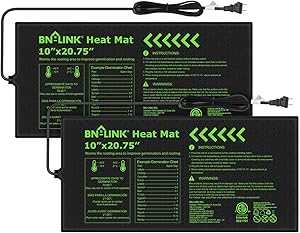
- Fits standard 1020 humidity domes and heat mats perfectly
Gardzen 72-Cell Seed Starter Tray with Dome & Base
- Complete kit includes humidity dome and watertight base tray
- Clear dome allows visual monitoring without lifting
- Vented dome prevents damping-off by controlling humidity
MIXC 72-Cell Seedling Starter Trays (10-Pack)
- Ten trays for a very low per-unit cost
- Adequate cell depth for tomatoes, peppers, and herbs
- Flexible plastic makes popping seedlings out without root damage easy
Why Trust Our Picks
We started tomatoes, peppers, lettuce, basil, and annual flowers in each tray type across two seed-starting seasons, tracking germination rates, root development quality at transplant time, and physical tray condition after repeated use and sanitizing. Germination rate differences between tray types were minimal — what distinguished the top picks was seedling root quality and tray durability over multiple seasons.
Individual Reviews
Bootstrap Farmer 72-Cell Seed Starting Trays — Best Overall
Bootstrap Farmer built their reputation on trays that survive commercial greenhouse use, and that durability translates directly to home gardeners who want trays that last more than a season. The extra-thick plastic doesn’t flex or crack when you carry a full, wet tray — a failure mode that ruins many cheaper options mid-season. Cell depth is genuinely generous, which means seedling roots develop a proper structure before transplanting rather than the cramped, circling roots that come from shallow cells. After five seasons of use and repeated bleach sanitizing, our test trays remained structurally sound.
- Pros: Exceptional durability, deep cells for superior root development, standard 1020 sizing, survives repeated sanitizing
- Cons: Higher upfront cost than single-season trays, heavier than thin-walled options
Gardzen 72-Cell Seed Starter Tray with Dome & Base — Runner-Up
For gardeners who want everything in one purchase, Gardzen’s complete kit delivers real value. The included humidity dome has adjustable vents — a detail that matters enormously for preventing damping-off, the fungal condition that kills seedlings in unventilated high-humidity environments. The clear dome allows you to check germination progress without disturbing the microclimate inside. The base tray is genuinely watertight, enabling bottom-watering which encourages roots to grow downward rather than staying near the surface. Tray plastic is thinner than Bootstrap Farmer, so plan for 2–3 seasons of use rather than 5+.
- Pros: Complete kit value, vented dome prevents damping-off, watertight base enables bottom-watering
- Cons: Thinner plastic than premium trays, dome can fog in high-humidity environments making monitoring harder
MIXC 72-Cell Seedling Starter Trays 10-Pack — Best Budget
When you need volume — for large seed swaps, school garden programs, or simply starting everything in your garden from seed — the MIXC 10-pack delivers functional trays at a per-unit cost that makes single-season use financially acceptable. The flexible plastic is a genuine advantage at transplant time: you can gently flex the tray bottom to pop seedlings out without disturbing root balls, which reduces transplant shock. Cell depth is adequate for most crops through a 6–8 week indoor season, though root-bound conditions will develop faster than in deeper-celled premium trays.
- Pros: Excellent value per tray, flexible plastic eases transplanting, adequate for most standard crops
- Cons: Shallower cells limit root development for longer-season starts, not rated for multi-season reuse
Jiffy 72-Cell Peat Pellet Seed Starting Tray — Also Great
Jiffy’s peat pellet system takes a different approach: instead of a plastic cell, each position contains a compressed peat pellet that expands with water to form an individual planting medium. The advantage is zero-disturbance transplanting — the entire pellet goes into the ground, so roots are never disturbed at all. This makes it particularly valuable for crops that resent root disturbance, like cucumbers, squash, and melons. The limitation is cost-per-use: peat pellets are single-use consumables, so this system costs more per plant over time than reusable plastic trays.
- Pros: Zero root disturbance at transplant, ideal for sensitive crops, no sanitizing required between uses
- Cons: Higher ongoing cost due to single-use pellets, peat is not a renewable resource — coir alternatives are available
Buyer’s Guide: Seed Starting Tray Essentials
Cell depth drives root quality: Cells shallower than 2 inches produce seedlings with cramped root systems that struggle after transplanting. Look for cells that are at least 2.25 inches deep for tomatoes, peppers, and other crops that spend 6–10 weeks indoors before going out.
Always bottom-water when possible: Watering from above compacts the surface of seed starting mix and can encourage surface mold. Placing trays in a water-filled base tray and allowing mix to wick moisture upward produces better germination and healthier seedlings with deeper root systems.
Sanitize between seasons: Reusing trays without sanitizing carries over fungal pathogens that cause damping-off. A 10-minute soak in a 1:9 bleach-to-water solution followed by thorough rinsing and drying eliminates pathogens and extends tray life significantly.
Frequently Asked Questions
How many seeds should I plant per cell?
Plant 2–3 seeds per cell for most crops, then thin to the strongest single seedling once they germinate. For expensive or rare seeds, one seed per cell is reasonable. Over-seeding wastes seed and creates crowded seedlings that compete for light and nutrients.
Do I need a humidity dome for 72-cell trays?
A dome significantly improves germination rates by maintaining consistent moisture around the seeds. Once seedlings emerge and develop their first true leaves, remove the dome to prevent damping-off and begin air circulation. A vented dome lets you manage this transition gradually.
What seed starting mix should I use in 72-cell trays?
Use a purpose-made seed starting mix rather than potting soil or garden soil. Seed starting mixes are finer-textured, sterile, and drain well — critical for preventing damping-off. Garden soil is too dense for small cells and often carries pathogens and weed seeds.
When should I transplant seedlings from a 72-cell tray?
Transplant when seedlings have developed 2–3 sets of true leaves and roots just begin to show at the cell’s drainage holes. Waiting longer risks root-binding, which can stunt growth even after transplanting. For outdoor planting, harden off seedlings over 7–10 days before full exposure to sun and wind.
Final Verdict
Serious home gardeners who start seeds every year should invest in the Bootstrap Farmer 72-Cell Trays — the durability and deep-cell design pay for themselves within two seasons. Gardeners just getting started or wanting a complete out-of-the-box solution will find the Gardzen Kit with Dome and Base provides everything needed for a successful first seed-starting season in a single purchase.


