
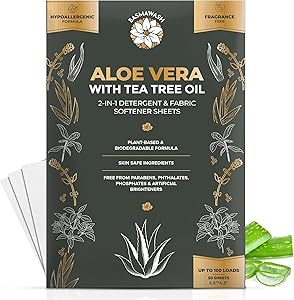
TL;DR: Refillable laundry detergent systems — concentrate refills, dissolvable sheets, or bulk-refill pods — cut plastic jug waste by 80–95% compared to conventional liquid detergent. Performance is equivalent or better per load, cost per wash is typically lower once you’re past the initial container purchase, and the logistics are simpler than lugging heavy jugs.
Best Refillable Laundry Detergent: Concentrate and Low-Waste Options That Actually Clean
A standard 96-load liquid laundry detergent jug is 92% water. You’re paying to ship and store water — packaged in a thick HDPE plastic bottle that, even when recycled, typically downcycles once and then reaches end-of-life. The average US household does 8–10 loads of laundry per week, burning through 4–6 large plastic detergent containers per year. Refillable laundry detergent systems break this cycle by separating the container (reused indefinitely) from the product (shipped as concentrate, powder, or sheet with minimal packaging).
The format options have expanded significantly. Concentrated liquid refills ship in small pouches or bottles that you dilute at home into a reusable dispenser — reducing packaging volume by 80–90%. Laundry detergent sheets are ultra-concentrated dry sheets that dissolve in wash water, shipped in cardboard envelopes with near-zero packaging weight. Dissolvable pods in compostable film eliminate the plastic film of conventional pods. All clean effectively at standard wash temperatures; cold-water performance varies by formula and is worth checking before buying for cold-wash-only households.
The cost math typically favors refillable systems at scale. The initial purchase of a reusable dispenser bottle or starter kit costs more upfront; subsequent refill orders run significantly less per load than conventional jugs. Households that commit to the refill model typically see 20–40% lower per-load costs within 3–6 months of switching.
Top Refillable Laundry Detergent Options
Want more options? Browse refillable laundry detergent systems on Amazon — filter by format (concentrate, sheets, pods), scent preference, and HE compatibility.
Refillable Laundry Detergent Formats Compared
| Format | Packaging Waste | Cost Per Load | Cold Water Performance | Setup Required | Best For |
|---|---|---|---|---|---|
| Concentrate Liquid Refill | ~90% less vs. jugs | $0.10–$0.20 | Excellent | Reusable dispenser bottle | Households wanting liquid experience |
| Laundry Sheets | ~95% less (cardboard envelope) | $0.15–$0.25 | Good (pre-dissolve in warm water for cold) | None | Minimalists, travelers, renters |
| Dissolvable Pods (compostable film) | ~70% less vs. plastic pod tubs | $0.20–$0.35 | Excellent | None | Conventional pod users switching packaging |
| Powder in Cardboard Box | ~85% less vs. liquid jugs | $0.08–$0.15 | Good (dissolves best at 60°F+) | None | Budget-focused, high-volume households |
| Conventional Liquid Jug | Baseline | $0.15–$0.30 | Excellent | None | N/A — baseline for comparison |
Switching to Refillable Detergent: What to Know
HE washer compatibility matters. High-efficiency front-loaders and top-loaders require low-sudsing detergent. Most modern refillable concentrate and sheet formats are HE-compatible; always verify before purchasing. Using non-HE detergent in an HE machine causes excess suds that can damage the washer over time and leave residue on laundry.
Concentrate dilution ratios require attention at setup — then it’s automatic. Concentrate refills typically dilute 1:10 to 1:30 with water. Getting this ratio right at the initial fill determines whether subsequent dosing from the dispenser is correct. Over-diluting reduces cleaning performance; under-diluting wastes product and money. Most refill systems include clear measuring guidance; follow it exactly the first time.
Laundry sheets work best when the drum isn’t overloaded. Detergent sheets rely on water contact and agitation to dissolve and distribute. In an overstuffed load, a sheet tucked between packed clothes may not fully dissolve. Load your machine to standard capacity (not packed to the top) and place the sheet at the back of the drum or in the dispenser drawer for best results.
Fragrance-free options are widely available — and preferable for households with sensitive skin, allergies, or babies. The fragrance-free refillable detergent category has expanded considerably; this is no longer a limiting factor in the format. Unscented concentrate and sheet options clean identically to scented versions.
Refillable Detergent and the Low-Waste Laundry Room
Laundry is one of the highest-volume plastic waste categories in the household — detergent jugs, fabric softener bottles, dryer sheet boxes, stain remover spray bottles. Moving to refillable detergent eliminates the largest single item in this stream. Pairing with a refillable spray bottle for stain pre-treatment (our refillable spray bottle guide covers this) and white vinegar as a fabric softener covers most laundry room plastic. For households also reducing kitchen plastic, the refillable model translates directly — see our refillable hand soap dispenser guide for the kitchen and bathroom equivalent.
Refillable Laundry Detergent FAQ
Do laundry detergent sheets actually clean as well as liquid?
In independent testing by consumer organizations, leading laundry sheet brands clean comparably to mid-range liquid detergents in normal soil conditions. On heavy soiling — grease, grass stains, set-in mud — liquid concentrates with higher surfactant loads tend to outperform sheets. For most household laundry (everyday clothing, linens, light soil), sheets are fully adequate. For work clothes, sports gear, or anything with significant soiling, pre-treating and using a high-surfactant concentrate typically performs better. Many households use sheets for regular loads and a small bottle of concentrate for heavily soiled items.
Are refillable detergent systems more expensive upfront?
Yes — starter kits that include a reusable dispenser bottle and initial concentrate typically cost $20–40, compared to $10–15 for a standard detergent jug. The per-load cost of refills is lower than conventional detergent once you’re through the first refill order, and most systems reach cost parity within 2–3 months of regular use. If upfront cost is a barrier, laundry sheets or powder in cardboard boxes involve no initial container purchase and deliver waste reduction immediately with no premium over conventional detergents at competitive price points.
Are detergent concentrate refills safe for septic systems?
Most plant-based concentrate formulas are septic-safe — they use biodegradable surfactants that break down in the septic tank without disrupting bacterial populations. Look for products specifically labeled septic-safe or that use surfactants on the EPA Safer Choice ingredient list. Avoid refillable concentrates with quaternary ammonium compounds (quats), which are effective cleaners but can disrupt septic system biology. Phosphate-free formulas (now standard in most US detergents) are also required for septic compatibility.
How do I store laundry detergent concentrate refills?
Concentrate pouches and bottles store at room temperature, away from direct sunlight and heat sources. Most have a 12–18 month shelf life unopened. Once diluted into a reusable dispenser, use within 30–60 days for optimal performance — diluted formulas are less stable than concentrates. Sheets store indefinitely in a dry location; moisture is the only enemy, as sheets will stick together or pre-activate if exposed to humidity. A sealed container or zip-close bag handles the humidity issue in laundry rooms near washers.
Can I use refillable liquid detergent in cold water only?
Liquid concentrates perform well in cold water — they’re pre-dissolved, so temperature doesn’t affect surfactant activation the way it does with powders. Cold-water performance is one of liquid concentrate’s advantages over powder and sheet formats. If you wash exclusively in cold (the most energy-efficient choice), concentrate liquid refills are the most reliable format. Sheets work well in cold for most loads but benefit from a brief pre-dissolve in a cup of warm water for heavily soiled items in cold cycles.
More Zero-Waste Swaps
Cutting single-use plastic from your home routine? These picks extend refillable thinking beyond the laundry room:


