
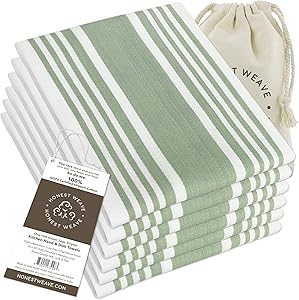
TL;DR: Organic linen sheets are made from flax grown without pesticides, are naturally temperature-regulating, and last 2–3x longer than cotton alternatives. Higher upfront cost, much lower cost per year of use. Best picks below cover single through king sizes.
Best Organic Linen Sheets: Why Your Bedding Choice Matters
Conventional cotton bedding is one of the most pesticide-intensive textiles in production — cotton covers 2.5% of global cropland but accounts for roughly 16% of global insecticide use. Organic linen sheets made from European or Canadian flax offer an alternative with a dramatically lower chemical footprint: flax grows in poor soils with minimal water and no required pesticides, and the entire plant is usable with minimal waste.
Beyond the environmental argument, linen outperforms cotton on the metrics that matter for sleep: it’s naturally thermoregulating (cooler in summer, warmer in winter than cotton), moisture-wicking, and anti-bacterial without chemical treatment. And it gets softer with every wash rather than pilling and thinning like cotton.
Top Organic Linen Sheet Sets
What “Organic” Means for Linen
Flax grown for linen is inherently more sustainable than cotton, but “organic” certification still matters for the full lifecycle. Without certification, the retting process (separating flax fibres) may use chemical retting agents rather than water or dew retting. The dyeing process can also involve heavy metals and synthetic chemicals that contaminate wastewater.
Certifications to look for: GOTS (Global Organic Textile Standard) covers the entire production chain from fibre to finished textile. OEKO-TEX Standard 100 certifies that the finished fabric is free from harmful substances. European Flax certification specifically verifies that flax was grown in Europe under traceability standards. Any one of these is a meaningful signal; GOTS is the most comprehensive.
Organic Linen vs. Other Bedding Materials
| Material | Lifespan | Temperature | Eco Credentials | Feel |
|---|---|---|---|---|
| Organic Linen | 15–20+ years | Thermoregulating | Excellent (GOTS/European Flax) | Textured, softens with use |
| Organic Cotton | 5–8 years | Neutral | Good (GOTS certified) | Soft immediately |
| Conventional Cotton | 3–5 years | Neutral, breathable | Poor (pesticide-heavy crop) | Soft, thins over time |
| Bamboo Viscose | 5–8 years | Cool | Variable (chemical process) | Silky smooth |
| Polyester Microfibre | 3–5 years | Warm, traps heat | Poor (microplastic shedding) | Soft but pilling |
The Linen Break-In Period: What to Expect
Linen feels stiffer than cotton out of the packaging — this is normal and by design. Flax fibres have a natural texture that softens progressively with each wash and sleep cycle. Most people find linen reaches their preferred softness after 3–5 washes. If you want to accelerate the break-in, wash at 60°C for the first two cycles and tumble dry on low rather than line drying.
The wrinkled appearance of linen is also intentional — it’s part of the natural character of the fabric. If you prefer a smoother look, iron while slightly damp. But most linen sheet owners embrace the lived-in texture as part of the aesthetic.
Caring for Organic Linen Sheets
Linen is robust but benefits from specific care. Wash at 40°C or below for normal cycles — higher temperatures are fine occasionally for deep cleaning but accelerate fibre wear over time. Line drying in shade is ideal; direct sunlight bleaches natural linen. Tumble dry on low if line drying isn’t practical.
Avoid fabric softener — it coats the linen fibres and counteracts the natural softening process while reducing breathability. White vinegar added to the rinse cycle (50ml) is a natural alternative that reduces mineral buildup and softens without coating.
Organic Linen as Part of a Sustainable Bedroom
Sheets are one part of the bedroom textile picture. For a complete low-impact bedroom, pairing organic linen sheets with an eco mattress topper is the next logical step — see our organic mattress topper guide for the best natural latex and wool options. If you’re also looking at bedroom organisation, our glass storage guide covers decanting and organising without plastic. For the laundry routine that goes with linen sheets, our eco laundry detergent strips guide covers the cleanest way to wash them.
More Zero-Waste Home Swaps
Upgrading your home textiles sustainably? Browse organic linen sheets on Amazon or explore related guides:
- Organic mattress toppers — natural latex and wool for the full eco sleep setup
- Eco laundry detergent strips — plastic-free washing for your new linen sheets
- Cork and natural rubber yoga mats — extend the natural materials approach beyond the bedroom
FAQ: Organic Linen Sheets
Are organic linen sheets suitable for hot sleepers?
Yes — linen is one of the best materials for hot sleepers. Flax fibres have a hollow structure that allows air circulation and moisture wicking far superior to cotton. Linen also doesn’t trap body heat the way polyester or bamboo viscose can. Most hot sleepers who switch to linen report noticeably cooler nights within the first week.
How do I know if linen sheets are genuinely organic?
Look for GOTS certification on the product or packaging — it’s the only certification that covers both the fibre growing stage and the entire manufacturing chain. OEKO-TEX Standard 100 certifies the finished product is free from harmful chemicals but doesn’t cover farming practices. “Natural linen” without certification is just a material claim, not an organic verification.
Do linen sheets stay wrinkled or do they smooth out with use?
Linen retains a relaxed, lived-in texture — it doesn’t self-smooth like cotton sateen. Wrinkles decrease with use and washing as the fibres relax, but linen will always have more texture than a high-thread-count cotton sheet. This is a design characteristic, not a defect. If you want smooth, iron while damp.
How long do organic linen sheets actually last?
Quality linen sheets last 15–30 years with proper care — significantly longer than cotton. Flax fibres become stronger with washing (unlike cotton, which weakens). Heirloom linen is common in European households; sheets passed down between generations are not unusual. At end of life, pure linen (undyed or naturally dyed) is home-compostable.
Is organic linen worth the higher price compared to cotton sheets?
On a cost-per-year-of-use basis, yes. A $120 organic linen sheet set lasting 20 years costs $6/year. A $40 cotton set lasting 4 years costs $10/year and generates more textile waste. The environmental case for paying more upfront for longer-lasting textiles is one of the clearest in sustainable consumption.


